
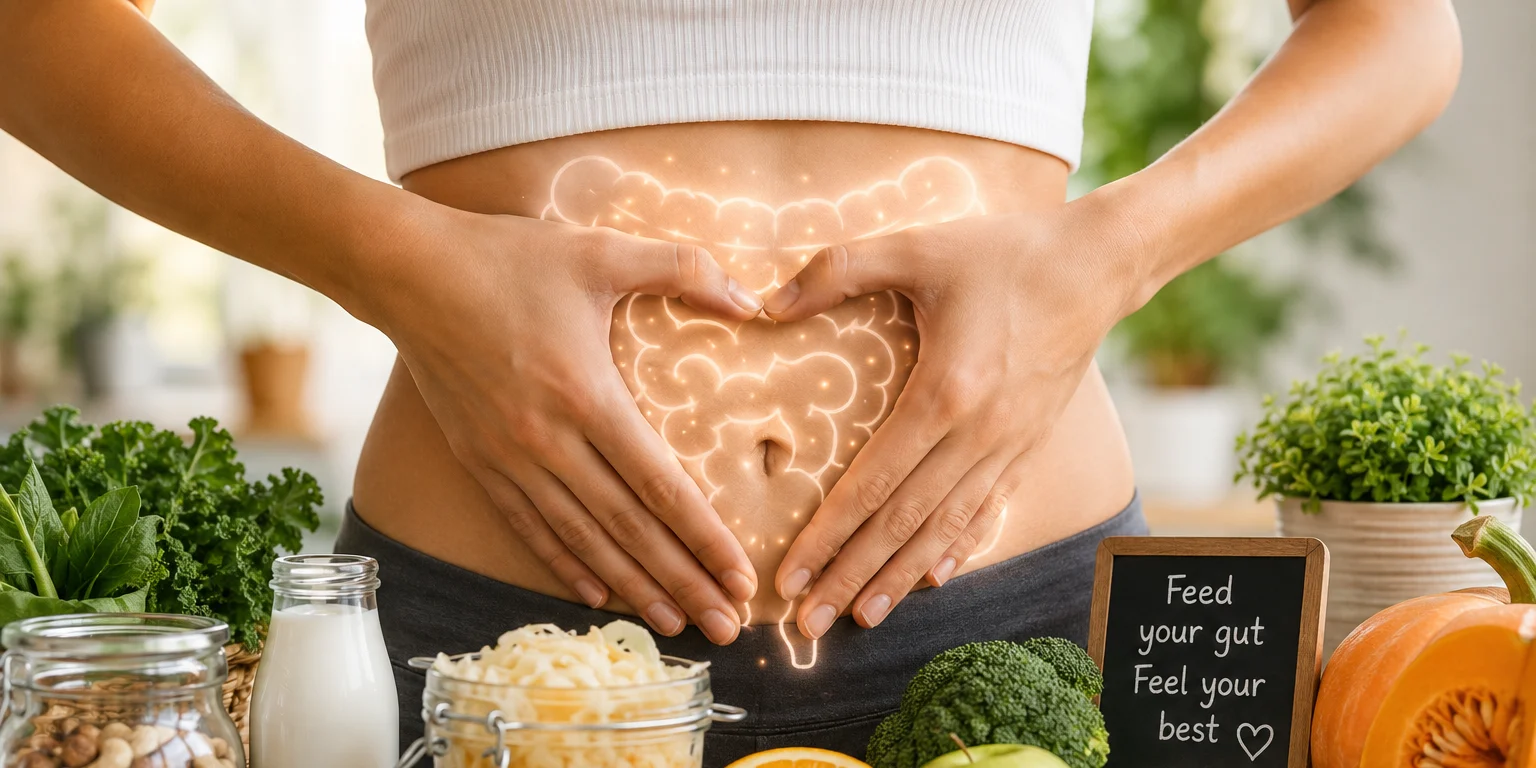
What it means, how it affects your health, and how to improve it
There has been a LOT of buzz about “gut health” lately, and for a very good reason.
Your gut health doesn’t affect just your digestion (although that’s super important) — but also your heart, your brain, your immune system, and even your mood.
There are steps you can take to make yourself healthier, and this one focuses on a really important part of your immune health: your gut.
Keeping your gut in balance
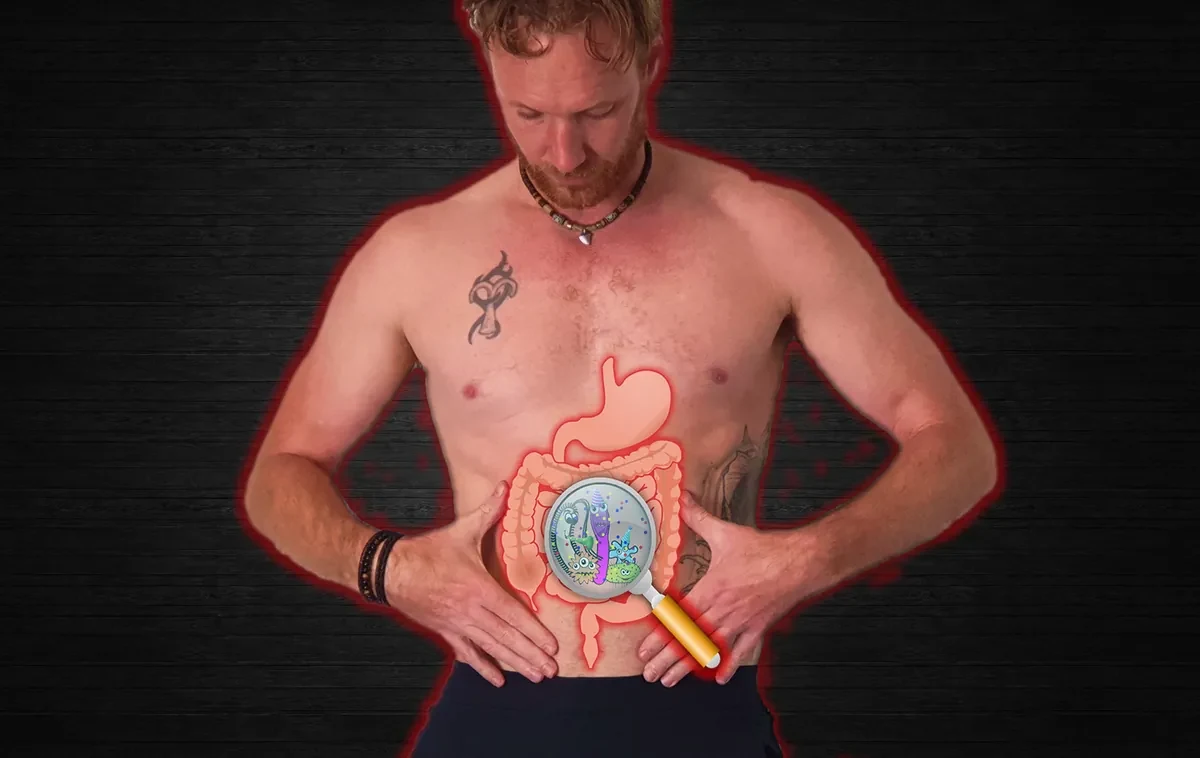
You have about 100 trillion (!!!) microbes living in your gut right now. And there are about 1,000 different species of known gut bacteria.
Some of these bacteria are your personal army of helpers, digesting your food, making energy, and keeping your immune system strong.
And others are not-so-good, linked with digestive upset, inflammation, obesity, and even conditions like cardiovascular disease, diabetes, and asthma.
As you can imagine, you want to make sure your gut stays in balance, with more of the good guys than the bad guys.
YOU have the power to do just that with your food and lifestyle choices.
And fun fact #2: your individual gut microbiome is like your fingerprint. No one else’s is exactly the same.
Your microbiome is your own
All of us share about one-third of the same microbiota makeup — but two-thirds of your microbiota “fingerprint” are unique to YOU.
Even though we all have our own unique gut microbiome, the basic guidelines for keeping it in balance work for nearly everyone.
So what can you do to improve your gut health?
1. Make sure you’re getting enough fibre
Including insoluble fibre. These fibres are what the good bacteria in your small intestine like to feed on.
2. Eat fermented foods
Things like yoghurt and sauerkraut contain healthy bacteria that can replenish your gut microbiome. This is especially true if you have taken antibiotics, which can affect the balance of your gut bacteria.
3. Avoid processed foods and sugar
The bad-guy bacteria like to feed on these.
4. Cut stress
Meditate, journal, go outside for some fresh air. There’s a direct connection — your vagus nerve — between your brain and your gut, each affecting the other.
5. Get regular exercise
The more active you are, the happier your gut microbiome is.
6. Get enough sleep
When your sleep is disrupted, so are the good bacteria in your microbiome. And vice versa.
It’s amazing how everything works together, isn’t it?
The good bacteria need to eat, just like you do
They love to nibble on insoluble fibres (aka “prebiotics”) that are tough enough to survive the trip through your stomach. Meanwhile, the “bad” bacteria inside your gut thrive in a low-fibre environment with sugars, processed foods and grains, additives, artificial sweeteners, preservatives, and fillers.
Experts theorise that when there’s not enough food for your good bacteria, they physically starve. This gives the bad bacteria a chance to get a foothold, which can cause some major problems.
It all hinges on the lining of your gut. This lining is actually a really important part of your immune system, because it forms a barrier between the food you eat and the rest of your body.
When this lining becomes too permeable — when the bad bacteria begin to take over — toxins, bacteria, and even partially digested foods can “leak out” of your digestive system and make their way into your bloodstream. This is called leaky gut.
This can lead to inflammation and even trigger an immune system response. Over time, this has been linked to a whole host of problems like chronic fatigue syndrome, migraines, auto-immune diseases and skin conditions.
This is why we always talk about eating whole, “clean” foods. Because when your gut is happy, it makes the rest of your body happy.
Like I mentioned earlier, the key to a healthy gut microbiome is BALANCE — including exercise, sleep, diet, stress, and more.
Want to go deeper?
If this is your thing, there’s more on how your gut talks to the rest of you — including what happens to it when you exercise — in Cultivating your microbiome for peak wellness.
- healthy food
- Nutrition
- gut health